 Skip to content
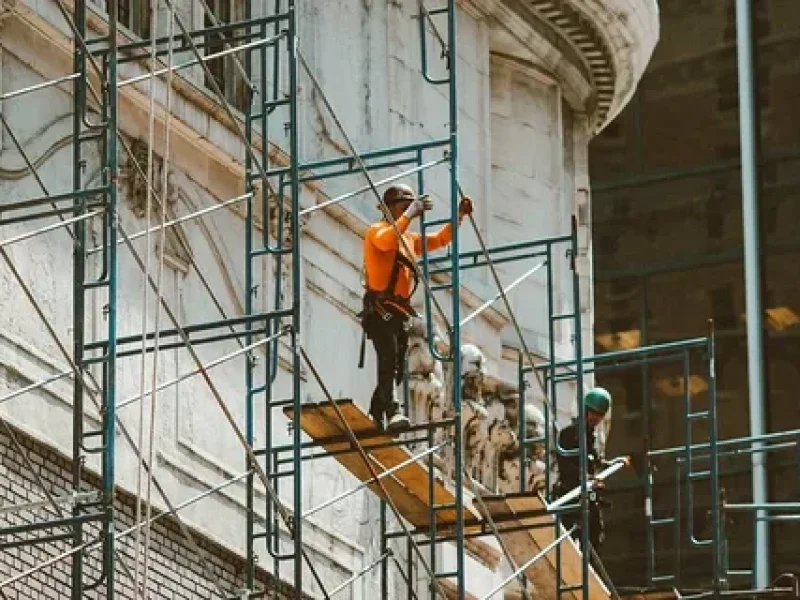
The New York City skyline is always changing. It can be new high-rise residential buildings in Manhattan or commercial renovations in Brooklyn or infrastructure updates across all boroughs. Construction is always going on. The scaffold is one of the most important, yet least appreciated, structures in the construction industry. It is essential to the completion of any construction project, and, as one of the scaffolding companies in NYC, it operates under highly regulated safety, efficiency, and compliance standards.
Scaffolding in NYC is more than just seasonal work. In one of America’s most populous and dense cities, it is a necessary construction system. It is vital for the protection of all construction workers, and even citizens, and private or public infrastructure.
The Unique Construction Landscape of New York City
Construction in New York City presents challenges that differ significantly from other parts of the country. Limited space, heavy pedestrian traffic, historic buildings, strict building codes, and unpredictable weather conditions all contribute to the complexity of projects.
The New York City Department of Buildings enforces rigorous standards to ensure that construction activities meet safety requirements. Scaffolding systems must comply with detailed guidelines regarding installation, maintenance, inspections, and load capacity.
Because of these regulations, professional scaffolding companies in NYC must possess specialized expertise. It is not enough to erect temporary platforms. Contractors must understand structural engineering principles, safety codes, sidewalk shed requirements, and permit processes unique to the city.
Why Scaffolding Is Essential for Urban Construction
Scaffolding provides safe access to elevated work areas, enabling construction crews to perform tasks such as façade restoration, masonry repairs, window installation, painting, roofing, and structural upgrades.
In a city filled with skyscrapers and mid-rise buildings, safe vertical access is non-negotiable. Scaffolding systems create stable platforms that reduce the risk of falls, one of the leading causes of construction-related injuries.
Additionally, scaffolding companies install protective sidewalk sheds, commonly seen across NYC streets. These structures shield pedestrians from falling debris and are often mandatory during façade repairs or exterior work.
Without properly installed scaffolding systems, construction projects would face severe safety risks, costly delays, and potential legal liabilities.
Types of Scaffolding Used in NYC Projects
Scaffolding companies in NYC provide a variety of systems tailored to different project needs.
- Supported scaffolding is the most common type, consisting of platforms supported by rigid frames or poles from the ground up. It is widely used for façade work and exterior renovations.
- Suspended scaffolding, often seen hanging from rooftops, is used for high-rise buildings where ground support is impractical. Window washers and exterior maintenance teams frequently rely on these systems.
- Sidewalk sheds are another distinctive feature of NYC construction. These overhead protective structures extend along building perimeters to safeguard pedestrians during ongoing work.
Shoring and special access systems are used for structural reinforcement and complex restoration projects. Each system must be engineered to meet specific load requirements and safety standards.
Compliance and Safety Regulations
NYC has some of the strictest construction safety regulations in the United States. Scaffolding companies must adhere to Occupational Safety and Health Administration standards, as well as city-specific codes.
Regular inspections are mandatory. Licensed professionals must evaluate scaffolding structures to ensure they remain stable and compliant throughout the project duration.
Permits are required before installation. The approval process involves submitting engineering drawings and structural calculations to demonstrate compliance.
Failure to meet these standards can result in fines, work stoppages, and legal consequences. Therefore, hiring an experienced scaffolding company is not just a convenience—it is a necessity.
The Role of Professional Expertise
Professional scaffolding companies in NYC provide more than equipment rental. They offer comprehensive services, including design, engineering, installation, maintenance, dismantling, and ongoing inspections.
Engineers assess building structures and determine appropriate anchoring systems. Skilled crews assemble scaffolding efficiently while minimizing disruption to surrounding areas.
Project managers coordinate with general contractors to align scaffolding timelines with construction schedules. This coordination ensures that access systems are installed and removed at the right stages of the project.
Experienced companies also carry appropriate insurance coverage, protecting property owners and contractors from liability risks.
Supporting Renovation and Restoration Projects
New York City is home to countless historic buildings that require ongoing maintenance and restoration. Brick repointing, façade repairs, and structural reinforcements demand safe access solutions.
Scaffolding systems enable workers to carefully restore architectural details while preserving the integrity of historic structures. In many cases, restoration projects span months or even years, requiring durable and adaptable scaffolding setups.
The city’s Façade Inspection and Safety Program requires periodic inspections of exterior walls on buildings taller than six stories. When repairs are needed, scaffolding becomes essential to perform corrective work safely and efficiently.
Enhancing Efficiency and Productivity
Well-designed scaffolding improves workflow and productivity. Stable platforms allow workers to move freely with tools and materials, reducing fatigue and increasing efficiency.
Proper access systems minimize downtime caused by repositioning ladders or temporary supports. In large-scale projects, time savings translate into significant cost reductions.
Scaffolding companies that prioritize strategic planning can optimize layouts to support multiple trades simultaneously. This coordination accelerates project timelines while maintaining safety standards.
Choosing the Right Scaffolding Company in NYC
Selecting the right scaffolding partner requires careful evaluation. Experience in NYC-specific regulations is critical. Companies should have a proven track record of successful projects across various building types.
Look for licensed and insured providers with strong safety records. References and past project portfolios can offer insight into reliability and workmanship.
Transparency in pricing and clear communication also contribute to smooth collaboration. Scaffolding companies should provide detailed proposals outlining design plans, timelines, and compliance measures.
Ultimately, the right partner combines technical expertise, regulatory knowledge, and operational efficiency.
The Future of Scaffolding in New York City
As NYC continues to grow, scaffolding solutions are evolving alongside construction technologies. Innovations in lightweight materials, modular systems, and digital planning tools are improving efficiency and safety.
Sustainability is also becoming a focus. Reusable materials and environmentally conscious practices reduce waste and environmental impact.
With ongoing urban development and aging infrastructure requiring maintenance, demand for professional scaffolding services will remain strong.
Conclusion
Scaffolding companies in NYC serve as the backbone of safe and efficient construction. In a city defined by vertical growth and dense urban activity, properly designed and installed scaffolding systems protect workers, pedestrians, and property while enabling progress.
From high-rise developments to historic restorations, scaffolding plays an indispensable role in maintaining New York’s dynamic skyline. By prioritizing compliance, safety, and professional expertise, scaffolding companies ensure that construction projects move forward with confidence and precision.
In the fast-paced environment of New York City, essential support structures like scaffolding are not just temporary frameworks—they are foundational elements of urban development.
