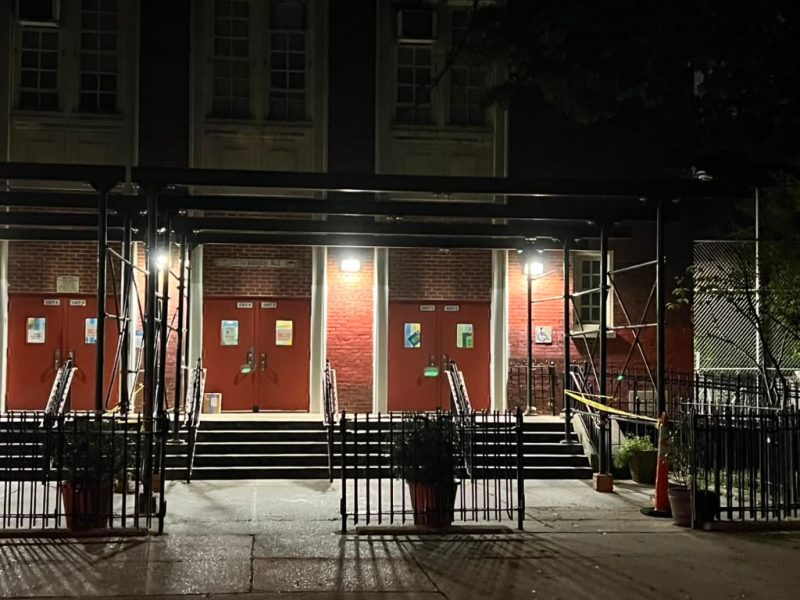
Drive or walk past PS 139 in Brooklyn right now, and you’ll notice the same thing thousands of New Yorkers see outside schools every year: a covered walkway out front and a steel framework climbing up the building. Most people barely register it. But there’s a lot more going on behind PS 139 Brooklyn scaffolding than most passersby realize, and it offers a window into how public school construction actually works in this city. This blog will help you understand the role of Prime Scaffold NYC in this project.
Why This Project Exists in the First Place
Public schools need regular upkeep just like any other building, sometimes more, given how many people move through them every day. Roofs age, brick facades wear down, and windows eventually need replacing. When exterior work happens above a sidewalk, the city requires protection for people walking underneath. That’s the whole reason scaffolding and a shed show up outside a building like PS 139 in the first place.
Some of the typical triggers for a project like this include:
- Roof repair or replacement above occupied classrooms
- Facade and masonry restoration on an older building
- Window or exterior wall upgrades
- Routine safety inspections that flag exterior wear
- Longer capital improvement work tied to building age.
Because PS 139 sits along a public sidewalk with steady foot traffic, the setup has to work around real life happening below it, not the other way around.
NYCSCA and Its Role in School Construction
The New York City School Construction Authority (NYCSCA) builds, repairs, and upgrades public school facilities across the city. Any NYCSCA public school construction project follows tighter rules than a typical private renovation by Prime Scaffold NYC, mostly because of who uses the building every day: kids, teachers, and school staff.
That extra layer of responsibility shapes almost every decision on site, including:
- Timing loud or disruptive work around the school day
- Keeping entrances and drop-off areas open and accessible at all times
- Communicating schedule changes with school administration in advance
- Holding the site to a stricter cleanliness and safety standard
- Documenting inspections thoroughly throughout the project
Working under NYCSCA guidelines means slowing down in some areas and speeding up in others, all while keeping the school running as close to normal as possible.
Breaking Down the Structure Itself
If you’ve never needed to know the terminology, here’s a simple explanation of what’s actually installed outside a site like this.
The Sidewalk Shed
This is the roofed structure people walk beneath. Built from steel, it’s designed to stop anything- tools, debris, loose material- from reaching the sidewalk below. The city requires one anytime work happens above a public walkway, and it has to meet load and safety standards before it’s signed off.
The Pipe Scaffolding
This is the vertical framework crews actually climb and work from. Built from connected steel pipes, it provides access to every exterior level and is checked regularly to confirm it can safely support workers, tools, and materials throughout the job.
Why They’re Installed as a Pair
A sidewalk shed and pipe scaffolding NYC setup almost always goes up together, since one protects pedestrians while the other gives crews a way actually to reach the work. On a school site especially, that pairing isn’t optional; it’s the baseline for keeping everyone safe while the project runs its course.
How a Project Like This Actually Comes Together
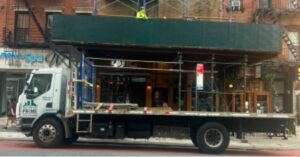
Getting a project like PS 139 Brooklyn scaffolding by Prime Scaffold NYC installed correctly involves more steps than people assume:
Assessing the site:
Looking at sidewalk width, building layout, and how pedestrians move through the area before designing the setup.
Filing permits:
Nothing legally goes up without Department of Buildings approval first.
Building it to code:
Assembling the shed and scaffolding with safety as the priority at every stage.
Checking it regularly:
Inspecting the structure throughout the project’s life, not just once at the start.
Taking it down properly:
Removing everything cleanly once the exterior work wraps up and restoring the sidewalk.
Keeping a School Site Safe Every Single Day
Working around an active school is a different kind of job. Kids are walking to class, parents are dropping off in the morning, and staff is moving in and out constantly. A responsible crew keeps a few things in mind at all times:
- Reducing noise during school hours whenever the work allows it
- Making sure the walkway under the shed stays well lit
- Timing deliveries so they don’t clash with drop-off or pick-up
- Keeping the sidewalk and surrounding area clean and clear of hazards
- Staying in regular contact with school staff about any changes
None of this replaces meeting code, but it’s the difference between a site that follows the rules and one that actually respects the school around it.
Staying on the Right Side of City and Agency Rules
New York City doesn’t take sidewalk protection lightly, and school sites get held to an even higher bar. Staying compliant on a project like this means:
- Submitting accurate permit applications before anything is installed
- Meeting Local Law standards for scaffolding and shed construction
- Scheduling ongoing inspections for the life of the project
- Keeping paperwork current and ready if the city asks for it
- Following the specific expectations that come with NYCSCA public school construction work
Missing any of these steps risks more than a fine; it can shut the whole project down, which nobody wants happening near a school full of kids.
Why the Contractor You Choose Actually Matters
Not every crew is equipped to handle a job like this one. School sites demand more oversight, tighter scheduling, and almost zero room for error. A contractor with real experience on NYCSCA public school construction projects already knows how to handle permitting, coordinate with school staff, and keep the site safe without dragging out the timeline. That experience shows up in the details, especially on a job where the sidewalk shed and pipe scaffolding NYC setup needs to hold steady for months while the school keeps running underneath it.
Final Thoughts
Most people walking past PS 139 will never think twice about the shed overhead or the scaffolding along the wall. But there’s a real process behind it: permits, inspections, daily coordination with the school, all working together so the exterior repairs get done safely without disrupting anyone’s day.
If you’re planning a project that needs sidewalk shed and pipe scaffolding NYC work done the right way, contact Prime Scaffold NYC. We’ll walk you through exactly what’s involved, from the first permit to the final teardown.
FAQs
How long will the scaffolding be up?
Until the exterior work it’s protecting is finished and signed off, usually a few weeks for smaller jobs, longer for facade or window work.
Is it safe for my kid to walk under it?
Yes. The shed is built and inspected to city safety standards specifically to keep debris off the sidewalk below.
Why does school construction take longer than usual?
NYCSCA rules require working around the school day, keeping entrances open, and extra inspections, which all add time but keep the school running normally.
Who’s in charge of this project?
NYCSCA, the city agency that handles public school construction, with school administration kept in the loop on scheduling.
Does the scaffolding mean something’s wrong with the building?
Not usually. It’s usually routine upkeep, like roof or facade work, not a sign of a structural problem.