
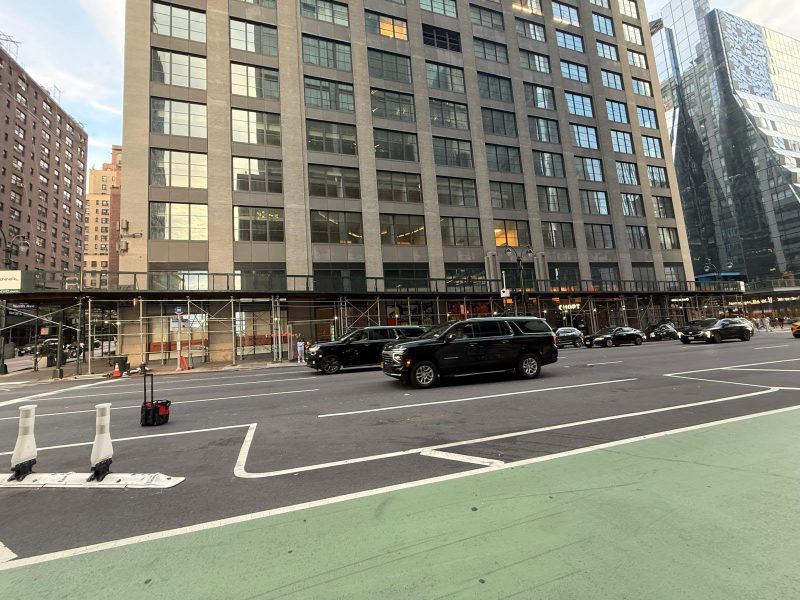
If you’ve walked past 410 10th Avenue in Manhattan lately, you’ve probably noticed something new overhead. A sidewalk shed installation is underway at the building, and it’s already changing how the block looks and feels. For anyone who lives, works, or just walks through this part of Chelsea, that new structure isn’t just scaffolding. It’s a safety system with real rules.
One term you’ll hear a lot when people talk about sidewalk sheds is “ITM.” It stands for Inspection, Testing, and Maintenance. This article breaks down what that means, why it matters for the 410 10th Ave construction project by Prime Scaffold NYC, and why pedestrian-protection scaffolding in NYC is about more than poles and plywood.
Why 410 10th Ave Needed a Sidewalk Shed
Manhattan buildings go up fast, but much of the work happening on this block right now happens outside the building. When crews work above street level, things can fall, like a dropped tool, a loose brick, or a piece of debris. None of that sounds like a big deal until someone is walking underneath at the wrong moment.
That’s why a sidewalk shed is required in situations like this one:
- It catches falling debris before it ever reaches the sidewalk below.
- It keeps foot traffic moving so pedestrians don’t have to detour around the site.
- It gives crews a protected workspace above street level.
- It keeps the block open for business, since shops, buildings, and homes nearby don’t have to shut down while work continues.
At 410 10th Ave, the new shed means pedestrians can keep using the sidewalk normally while the work above continues. But a shed only works if it stays solid the whole time it’s up. That’s where ITM comes in.
What ITM Actually Means
ITM stands for Inspection, Testing, and Maintenance. It’s the ongoing checkup process that keeps a sidewalk shed safe for as long as it’s standing. Putting up a shed correctly on day one is only half the job. The other half is making sure it stays strong, stable, and code-compliant every single day it’s up, whether that’s for a few weeks or a couple of years.
New York City takes this seriously because a sidewalk shed:
- Carries real structural weight
- Faces rain, wind, snow, and heat
- Sits directly above people walking to work, walking their dogs, or heading to school
If a shed isn’t checked regularly, small problems can turn into real hazards, like loose connections, rust, or shifting supports. ITM catches those problems early, before they become dangerous.
The Four Stages of ITM for a Sidewalk Shed
1. Installation Inspection
- Happens right after the shed goes up
- A qualified person inspects the entire structure
- A written report confirms the shed was built to code
- This step isn’t optional; the city expects documentation before the shed is considered ready
2. Daily Visual Checks
- Done every single day the shed is up
- Carried out by the general contractor or a qualified person on site
- Looks for bent posts, sagging platforms, or debris buildup
- Findings are written down, so there’s always a record
3. Periodic Inspections (Roughly Every Six Months)
- A qualified inspector reviews the shed top to bottom
- A formal report gets filed
- This step confirms that months of weather and wear haven’t quietly weakened the structure
4. Post-Repair Inspections
- Required any time part of the shed is adjusted or repaired
- An inspector signs off to confirm the fix actually solved the problem
Put together, these four stages mean a shed isn’t installed once and forgotten. It’s watched over for the entire time it protects the block.
Why the City Has Been Cracking Down on Sidewalk Sheds
If you’ve lived in New York for a while, you’ve probably noticed sidewalk sheds that seem to stay up forever. For years, that was actually true.
How it used to work:
- No real time limit on how long a shed could stay up
- Permits could be renewed indefinitely
- Sheds sometimes sat on quiet blocks for months or years after work had wrapped up
How it works now:
- Sidewalk shed permits run in shorter windows and must be renewed regularly
- Renewals require documentation showing that work is actually still happening
- Sheds sitting in place too long without active construction can trigger closer review from the Department of Buildings
- Property owners or contractors can face fines for non-compliance
The goal is simple: sheds should go up when they’re genuinely needed for safety, and they should come down once the work is finished, not linger indefinitely.
What this means for 410 10th Ave specifically:
- The sidewalk shed installation isn’t a “set it and forget it” situation
- The contractor has to keep ITM records current
- The permit has to stay active
- The team must be ready to show construction is actually progressing
When everything is documented properly, the shed stays up exactly as long as it needs to, and no longer.
What This Means for the Neighborhood
For people who live or work near 410 10th Avenue, the practical side of all this is pretty simple.
- The sidewalk stays open
- The shed gives everyone a safe, covered path to walk through while construction happens overhead
- Deliveries, dog walks, and morning commutes can continue pretty much as normal
Good pedestrian protection scaffolding in NYC also tends to include a few extra details that make a real difference:
- Proper lighting underneath the shed
- Clear markings so pedestrians know where to walk
- Enough headroom so nobody has to duck or squeeze through a tight space
The ITM process is really what makes all of this possible. Because the shed gets checked daily and inspected formally every six months, problems get caught before they ever become dangerous. Nobody walking under it has to wonder whether it’s safe. That’s the whole point.
Why Professional Installation and Maintenance Matters
Not every contractor treats ITM the same way.
- Some companies view it as paperwork to get through
- Others treat it as an ongoing safety commitment that protects the construction crew and everyone walking by outside
A sidewalk shed is a piece of engineering, even if it’s temporary. It has to be:
- Designed for the specific site
- Built to hold real loads
- Inspected by people who know exactly what to look for
Cutting corners on inspections, or letting a six-month check slide, might save a little time in the short term. But it puts everyone at risk, including the property owner, who could face violations or worse if something goes wrong.
At a site like 410 10th Ave, working with a company like Prime Scaffold NYC, who takes ITM seriously means:
- Daily walkthroughs actually happen
- Paperwork gets filed on time
- Six-month inspections stay on schedule
- Nobody outside the project even has to think about it
That’s exactly how good pedestrian protection scaffolding in Manhattan should work.
FAQs
1. How long will the sidewalk shed at 410 10th Ave stay up?
It depends on how long the exterior work takes. Permits now require regular renewal with proof of active work, so the shed comes down once the project wraps up.
2. Is it safe to walk under the shed every day?
Yes. It’s built to hold real weight, checked daily, and formally inspected every six months. If something ever looks off, mention it to the site team.
3. Why does a project need a shed if the work is indoors?
Many indoor projects still involve exterior work, like facade repairs or hoisted deliveries. Anytime something could fall from above, the city requires a shed for protection.
4. Who checks that the shed stays safe over time?
A qualified inspector handles formal reviews every six months. The general contractor also does a visual walkthrough daily, so the shed is never left unchecked for long.
5. What if I notice damage or debris under the shed?
Flag it right away. Most sites post a contractor contact on the shed itself, or you can report safety concerns to 311 or the NYC Department of Buildings.
The Bottom Line
The new sidewalk shed installation at 410 10th Ave in Manhattan is more than a temporary structure on a busy block. It’s a safety system by Prime Scaffold NYC,backed by a real process.
Quick recap of why ITM matters:
- Inspection confirms the shed was built correctly from day one
- Testing and daily checks catch small problems before they grow
- Maintenance keeps the structure strong for as long as it’s needed
- Together, these steps protect every pedestrian walking underneath
As the city continues tightening its rules around how long sheds can stay up and how well they need to be maintained, ITM has become even more important for contractors and property owners across Manhattan. For the 410 10th Ave construction project, staying on top of ITM isn’t just about following the law. It’s about making sure the people walking underneath that shed every day can do so without a second thought.
If you have questions about sidewalk shed installation, ITM requirements, or pedestrian protection scaffolding for a project in your neighborhood, reach out to a licensed local team that handles this work every day. It’s the kind of job where experience and attention to detail genuinely keep people safe.