 Skip to content
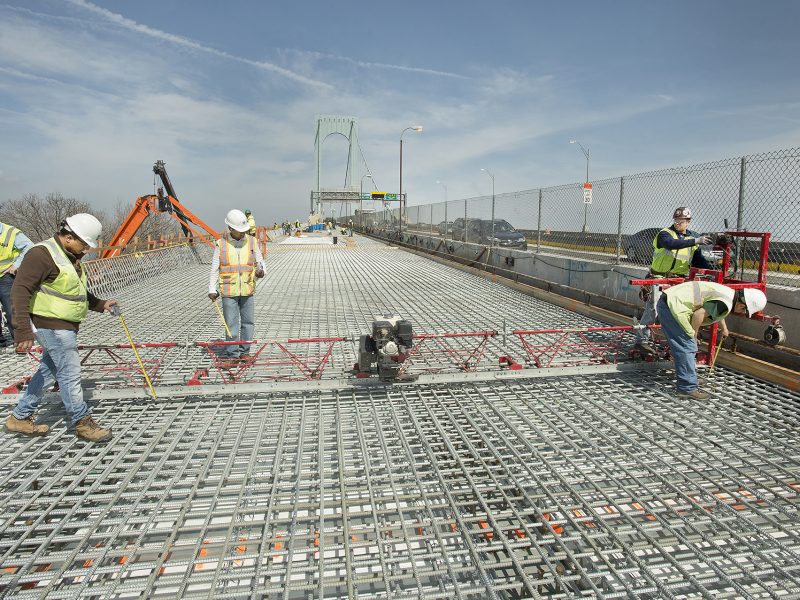
The Bronx is rapidly transforming into one of New York City’s most active construction zones. From large-scale commercial developments to residential upgrades and façade restoration, the borough offers expanding construction opportunities in Bronx, NY. This growth is not random—it is driven by urban demand, regulatory requirements, and continuous building maintenance cycles.
For contractors, developers, and scaffolding service providers, understanding the deeper structure of this opportunity means analyzing not just projects—but why projects exist, how they evolve, and what systems support them.
What Defines Construction Opportunities in the Bronx?
Construction opportunities in the Bronx are shaped by three core dynamics: development demand, regulatory compliance, and building lifecycle maintenance.
Unlike emerging cities, New York operates on a constant cycle of construction and reconstruction. Buildings are not only built—they are continuously inspected, repaired, and upgraded. This creates a layered opportunity model:
- New construction (residential and commercial)
- Structural upgrades and retrofitting
- Exterior restoration and façade repairs
- Safety-driven installations (scaffolding, sidewalk sheds)
This means opportunities are not temporary—they are recurring and system-driven, making the Bronx a stable market for long-term construction growth.
Why the Bronx Has Continuous Construction Demand
The Bronx stands out due to its combination of aging infrastructure and modern development initiatives. Older buildings require regular upgrades, while new projects are introduced to meet population and economic growth.
Key drivers include:
- Increasing housing demand across urban neighborhoods
- Government-backed development and affordable housing projects
- Commercial expansion in retail, healthcare, and mixed-use spaces
- Mandatory building inspections and safety compliance laws
These factors create a construction ecosystem where work is always available, and every project requires coordination between multiple service providers.
The Central Role of Scaffolding in Construction Projects
Scaffolding is not just a support system—it is a core structural enabler of construction activity in the Bronx. Without proper scaffolding, most exterior and high-elevation work cannot be performed safely or efficiently.


Scaffolding supports multiple construction layers:
- Access → Enables workers to reach elevated areas
- Safety → Protects workers and pedestrians
- Compliance → Meets NYC building regulations
- Efficiency → Improves workflow and project timelines
In dense urban areas like the Bronx, sidewalk sheds and supported scaffolding are essential for maintaining safe public spaces while construction continues above.
Types of Construction Projects Creating Demand
To fully understand construction opportunities, it is important to categorize the types of projects driving demand:
Residential Construction & Renovation
Includes apartment buildings, housing complexes, and remodeling projects. These require ongoing maintenance, exterior work, and safety structures.
Commercial Development
Retail stores, office buildings, warehouses, and institutions demand complex construction planning and reliable support systems.
Façade Restoration & Local Law Compliance
NYC regulations require periodic inspections and repairs of building exteriors. This creates recurring demand for scaffolding and exterior contractors.
Infrastructure & Public Projects
Schools, transit systems, and public facilities contribute to long-term construction activity across the borough.
Each of these categories depends on scaffolding systems to ensure safe execution.
Job Market and Skilled Labor Demand
The rise in construction projects directly impacts employment. The Bronx construction sector requires both skilled and general labor across multiple roles:
- Construction laborers and helpers
- Scaffold installers and erectors
- Project managers and site supervisors
- Safety inspectors and compliance officers
- Specialized trades (electricians, masons, painters)
Workers with certifications, especially in safety and equipment handling, have a competitive advantage. As projects grow in complexity, the demand for trained professionals continues to increase.
Business Opportunities in Scaffolding & Construction Services
Beyond employment, the Bronx offers strong business opportunities for companies that support construction operations.
High-Potential Business Areas:
- Scaffolding installation and rental services
- Sidewalk shed construction and maintenance
- Exterior restoration support services
- Construction logistics and equipment supply
Scaffolding companies, in particular, operate within a high-demand, repeat-service model. Every building project—whether short-term or long-term—requires installation, inspection, and dismantling phases. This allows service providers to build long-term relationships with contractors and developers.
Challenges in the Bronx Construction Market
Despite strong opportunities, the market comes with challenges that require strategic planning:
- Strict safety and compliance regulations
- High operational and insurance costs
- Competitive contractor environment
- Need for trained and certified labor
For scaffolding providers, precision and safety are critical. Poor installation or non-compliance can lead to serious risks and project delays. This is why experienced and reliable service providers dominate the market.
Future Outlook: Long-Term Construction Growth
The Bronx construction sector is expected to remain active due to:
- Continuous building maintenance requirements
- Urban redevelopment and modernization
- Increasing demand for housing and commercial space
- Advancements in construction technology and safety systems
As the borough continues to evolve, construction will remain a core economic driver, supported by essential services like scaffolding.
Conclusion: A System-Driven Opportunity Market
Construction opportunities in the Bronx, NY, are not limited to new projects—they are part of a continuous cycle of development, maintenance, and compliance. This creates a stable and scalable environment for contractors, workers, and service providers.
Scaffolding stands at the center of this ecosystem, enabling safe, efficient, and regulation-compliant construction. Businesses that focus on safety, reliability, and long-term partnerships will be best positioned to succeed in this growing market.
