
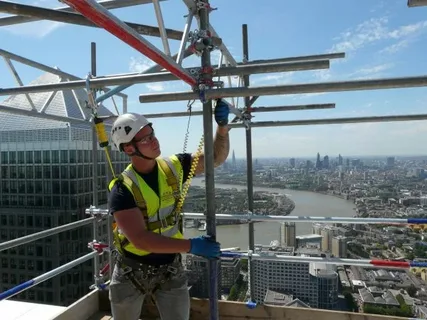
Safety Systems That Protect Workers, Sites, and the Public
Scaffold collapse prevention is one of the most important parts of construction safety in New York City. A scaffold is not just a temporary access structure. It is a working platform that supports workers, tools, materials, and daily jobsite activity. When a scaffold fails, the problem is rarely caused by a single mistake. Most collapses happen when several safety issues develop over time, such as poor installation, weak support, missing braces, overloading, or a lack of regular inspections. Scaffold collapse prevention should always be approached as a complete safety process that includes planning, engineering, inspection, monitoring, and worker training.
Why Scaffold Collapses Happen
A scaffold collapse often begins long before the visible failure occurs. One of the most common causes is overloading. Even a properly installed scaffold can become dangerous when materials are stacked unevenly or heavy equipment is placed on the platform without considering load capacity. Too much weight creates pressure on frames, braces, planks, and connections. If that pressure continues, one weak point can affect the stability of the entire scaffold system.
Incorrect assembly is another major risk factor. A loose coupler, missing brace, poor alignment, or improperly secured base plate may seem minor during installation, but each mistake reduces structural strength. Scaffold systems depend on balanced load distribution, secure connections, and proper setup from the ground up. When installation is rushed or handled without qualified supervision, the platform becomes more vulnerable to shifting, leaning, and structural failure.
Ground conditions also play a major role in scaffold stability. If the scaffold is placed on uneven pavement, weak soil, damaged concrete, or a surface that cannot support the load, the base may settle or tilt over time. Once the foundation becomes unstable, the upper structure can quickly lose balance. In a busy urban environment like New York City, this risk becomes even more serious because construction often takes place near sidewalks, roadways, and older building surfaces that may not provide consistent support.
Another frequent cause of collapse is the lack of proper tie-ins and anchoring. Ties connect the scaffold to the building and help resist lateral movement caused by wind, vibration, or shifting loads. Without enough ties in the right locations, the scaffold loses essential support. In NYC, where tall buildings, strong wind tunnels, and heavy traffic create added pressure, missing anchors can turn a minor issue into a major safety hazard.
The Importance of Engineered Scaffold Design
Effective scaffold collapse prevention starts with planning and design. Every project has different site conditions, building heights, work scopes, and load requirements. A scaffold system should never be treated as a one-size-fits-all solution. It must be designed according to the building structure, the type of work being performed, the expected weight on the platform, and the environmental conditions around the site.
A well-engineered scaffold design helps reduce preventable safety issues before installation even begins. It identifies where support is needed, how loads will be distributed, where tie-ins should be placed, and how the structure will respond to daily work activity. This design stage is essential because it transforms scaffolding from a simple access system into a carefully planned part of the construction process.
Good design also improves site efficiency. When scaffold placement, platform levels, and access points are planned correctly, workers can move more safely and complete tasks with less risk. Whether the project involves façade restoration, brickwork, painting, roofing, or exterior maintenance, engineered planning creates a stronger foundation for safe performance.
Safe Installation and Ongoing Monitoring
Once the design is complete, proper installation becomes the next critical step. Safe scaffold installation requires trained crews, correct sequencing, and close supervision. Every frame, brace, platform, tie, and connection must be installed according to the project plan. Even the strongest scaffold design can fail if the field installation is careless or incomplete.
Supervisors should verify that all components are level, tightly secured, and properly aligned before the scaffold is put into service. Base plates and mud sills must be positioned correctly, platforms must be stable, and access points must be safe for workers. A scaffold should never be used until the full system has been inspected and approved.
Real-time monitoring can add another layer of protection on larger or more complex projects. Load monitoring systems, sensors, and digital inspection records help identify unusual stress, shifting weight, or structural strain before a dangerous failure occurs. These tools support faster decision-making and allow site teams to respond early when a scaffold begins to show signs of instability.
Inspections, Training, and Urban Risk Factors
Regular inspections are one of the most effective ways to prevent scaffold collapse. A scaffold is exposed to constant changes, including worker movement, added materials, weather conditions, and vibration from nearby traffic or equipment. Because of this, inspections should be performed routinely, not just once after installation. Daily checks help identify loose connections, damaged planks, missing guardrails, unstable platforms, and other warning signs before they become serious hazards.
Worker training is equally important. Even a properly built scaffold can become unsafe if workers do not understand load limits, safe material placement, fall protection procedures, or hazard reporting. Training helps crews recognize early signs of danger and encourages a stronger culture of safety on the jobsite. When workers understand how scaffold systems function, they are more likely to use them correctly and report issues immediately.
New York City creates additional challenges that make scaffold collapse prevention even more important. Wind exposure, narrow streets, changing weather, wet surfaces, freezing temperatures, and electrical hazards can all affect scaffold safety. Projects in dense commercial areas or high-rise zones require even greater attention to bracing, anchoring, platform protection, and environmental planning.
Scaffold collapse prevention is not just about meeting basic safety rules. It is about protecting workers, pedestrians, nearby property, and the progress of the entire project. A safe scaffold results from proper design, skilled installation, ongoing inspections, load control, and trained workers who treat safety as part of every task. When these elements work together, scaffold systems remain stable, reliable, and ready to support safe construction operations across New York City.