 Skip to content
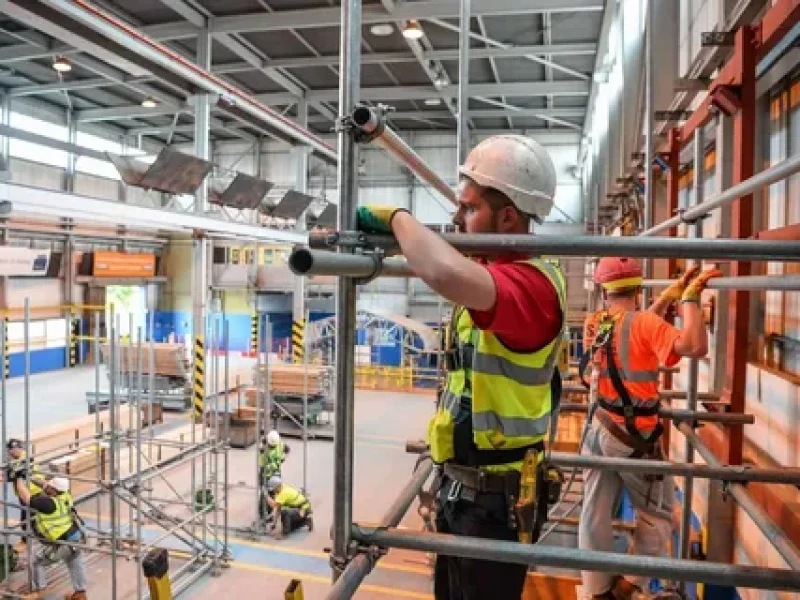
Scaffolding plays an essential role in construction, renovation, restoration, and exterior maintenance across New York City. For contractors and property managers, it is not merely a temporary structure for reaching elevated work areas. It is a critical safety and access system that supports project efficiency, protects workers, and helps maintain compliance with city regulations. In a borough like Brooklyn, where historic buildings, mixed-use properties, commercial spaces, and busy streets create unique jobsite conditions, understanding scaffolding is necessary for successful project planning.
Why Scaffolding Matters in Urban Projects
In dense urban construction environments, scaffolding supports more than worker access. It creates a controlled work platform, improves movement around the jobsite, and helps protect pedestrians, neighboring properties, and building occupants. For contractors, this means work can be completed more safely and efficiently at height. For property managers, it means that maintenance, repairs, inspections, and restoration projects can proceed while reducing risk.
Brooklyn projects often involve buildings with limited exterior clearance, narrow sidewalks, and constant public activity. Because of these conditions, scaffolding must be selected and installed with care. The right scaffold system makes it easier to perform façade restoration, roofing, masonry repair, painting, waterproofing, and window replacement while keeping the site organized and compliant.
What a Scaffolding Company Provides
A professional scaffolding company offers far more than basic equipment rental. It provides a complete access solution tailored to the project’s specific needs. This usually includes scaffold design, engineering support, installation, dismantling, inspection, and safety planning. Many providers also handle sidewalk sheds, temporary pedestrian protection, shoring, bracing, netting, and related access equipment.
For contractors, working with an experienced scaffold company simplifies project coordination. Instead of treating scaffolding as a separate task, it becomes part of the overall site strategy. For property managers, this level of service is especially valuable because it reduces the burden of managing permits, compliance requirements, and safety planning while exterior work is underway.
Common Scaffolding Applications in Brooklyn
Brooklyn has a wide range of building types, and each one creates different scaffolding needs. Historic brownstones and landmark properties often require careful scaffold placement so restoration work can be completed without damaging decorative façades or blocking access more than necessary. Residential and mixed-use buildings may need scaffolding for brick pointing, façade inspections, lintel replacement, painting, and waterproofing. Commercial properties often require larger systems for exterior repairs, sign installation, roofing work, and ongoing maintenance.
New construction projects also depend on scaffolding to support concrete work, framing, glazing, mechanical installation, and finishing tasks. In addition, emergency repairs may require rapid scaffold deployment to stabilize work areas and protect the public from falling debris. These varied applications show why contractors and property managers need scaffold systems that are planned according to the building, the work scope, and the surrounding environment.
Engineering and Planning Are Essential
Scaffolding should never be treated as a one-size-fits-all structure. Every building has different dimensions, elevations, access challenges, and load requirements. A scaffold plan should take into account the work being performed, the number of workers using the platform, the materials being stored, the tie-in requirements, and the site’s ground conditions.
Engineering is especially important in New York because construction often takes place close to sidewalks, traffic, adjacent buildings, and occupied spaces. A properly engineered scaffold design helps distribute loads safely, improve stability, and identify the right access points before installation begins. Good planning also helps reduce delays because the scaffold system is designed to support workflow rather than interrupt it.
For contractors, this means less downtime and better project sequencing. For property managers, it means the project can move forward with greater confidence, especially when the property remains occupied during exterior work.
Safety and Compliance Cannot Be Overlooked
Scaffolding in New York City is subject to strict safety and regulatory standards. Contractors and property managers must work with providers that understand local building requirements, permit procedures, and inspection responsibilities. A safe scaffold must include secure bracing, proper base support, guardrails, stable platforms, safe access points, and correct tie-ins to the structure.
Regular inspections are a key part of scaffold safety. Conditions on a jobsite can change daily because of weather, shifting materials, worker movement, and ongoing construction activity. Frequent checks help identify loose connections, damaged planks, missing protection, or signs of instability before they lead to serious incidents.
Sidewalk sheds are also an important part of compliance on many NYC projects. These structures protect pedestrians when façade work, overhead repairs, or building inspections create potential debris hazards. For property managers, understanding when sidewalk protection is required is critical because public safety is closely connected to legal responsibility.
How to Choose the Right Scaffolding Partner
Selecting the right scaffolding provider is one of the most important decisions in project planning. Contractors should evaluate a company’s safety record, engineering capabilities, installation experience, response time, and familiarity with Brooklyn construction conditions. Property managers should look for providers that communicate clearly, understand regulatory requirements, and can support both short-term repairs and long-term building maintenance.
A reliable scaffold company should be able to explain the recommended system, outline the safety plan, manage installation professionally, and respond quickly if project conditions change. The best partner is not simply the lowest-cost option. It is the one that provides stable access, protects the public, supports compliance, and helps the project move forward without unnecessary disruption.
Conclusion
For contractors and property managers, scaffolding is a strategic part of construction and building maintenance. It supports worker safety, improves access, protects the public, and helps projects stay organized and compliant. In Brooklyn’s demanding construction environment, the right scaffold system can make the difference between a smooth project and one filled with delays, risks, and avoidable problems.
Understanding scaffolding means understanding more than equipment. It means recognizing the value of planning, engineering, safety, inspections, and choosing the right partner for the job. When scaffolding is handled correctly, it becomes a reliable foundation for safer and more efficient project execution.
