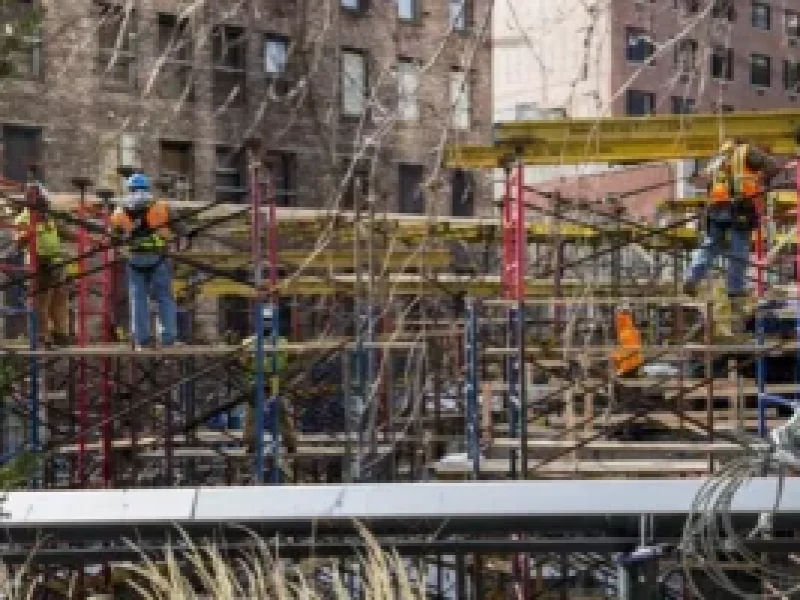
The scaffolding industry in New York is evolving quickly as construction projects become more complex, safety standards continue to rise, and jobsite planning becomes more advanced. In 2026, the biggest developments in scaffolding include sustainability, modular systems, smart scaffolding, automation, improved compliance practices, and stronger worker training.
In New York City, scaffolding is more than a temporary support structure. It is an essential part of the construction process that affects worker access, project timelines, pedestrian protection, material handling, and site compliance. As construction activity continues across commercial, residential, and mixed-use properties, scaffold systems are now evaluated not only for strength and access but also for flexibility, efficiency, and long-term performance. This is why modern scaffold solutions are becoming smarter, safer, and more adaptable.
Sustainability Is Becoming a Major Focus
One of the most important developments in 2026 is the growing focus on sustainability in scaffold design and material selection. Construction companies are looking for ways to reduce waste, improve reuse, and lower environmental impact. Materials such as aluminum and steel continue to play a major role because they are durable, recyclable, and suitable for repeated use across multiple projects.
This shift matters because scaffold systems are used throughout many stages of urban construction. When contractors use stronger reusable components, they reduce replacement costs and improve the overall lifecycle value of the equipment. Sustainable scaffold planning also supports better logistics. Lighter and more efficient materials can simplify transportation, reduce handling effort, and improve site operations, especially in dense urban areas where space is limited.
Modular Scaffolding Systems Are Growing in Demand
Another major development is the increased use of modular scaffolding systems. These systems offer greater flexibility and adaptability for different building types and project requirements. Modular scaffolding is made from prefabricated parts that can be assembled, adjusted, and dismantled more efficiently than many traditional setups.
For construction professionals, modular scaffolding offers benefits beyond speed. It allows better planning for irregular building shapes, mixed-height work zones, and projects where access needs may change during construction. A modular system can be configured more precisely around the building, which improves productivity and reduces installation challenges. It also supports better safety because the scaffold is designed to fit the real needs of the project rather than forcing a standard solution onto a complex jobsite.
Smart Scaffolding Is Transforming Safety
The use of smart technology is one of the most advanced trends in scaffolding today. Smart scaffolding uses sensors and connected devices to monitor load distribution, structural movement, and environmental conditions in real time.
This development changes scaffolding from a passive support system into an active safety tool. Instead of relying only on visual inspections or waiting for visible signs of strain, contractors can use real-time information to detect issues much earlier. Uneven loading, unusual movement, or unsafe conditions can be identified before they become serious hazards. In a city like New York, where projects often operate in tight spaces with heavy pedestrian traffic and demanding schedules, this type of monitoring can improve both safety and project control.
Automation Is Improving Scaffold Operations
Automation is also becoming more important in scaffold assembly and dismantling. Robotic support and mechanical systems are being introduced to assist with repetitive and physically demanding tasks, especially when handling heavy scaffold components.
This is a significant development because scaffold work is labor-intensive and time-sensitive. Automation can reduce physical strain on workers, improve assembly accuracy, and help teams complete installations more efficiently. It can also reduce the risk of human error during repetitive tasks. While automation does not replace skilled scaffold crews, it supports their work by improving precision and making certain parts of the process safer and faster.
Compliance Is Becoming More Digital
The regulatory side of scaffolding is also changing. In 2026, more companies are using digital tools to manage inspections, maintenance records, and compliance requirements. These systems make it easier to track scaffold conditions, document safety checks, and stay aligned with local building codes and jobsite regulations.
This is especially important in New York, where construction projects must meet strict safety standards. Digital compliance tools improve organization, support better communication between teams, and reduce the risk of missed inspections or incomplete records. Compliance is no longer just a paperwork task. It is becoming part of a real-time operational system that supports safer and more efficient construction management.
Worker Training Is Advancing
Another key development is the growing investment in worker education and training. Scaffold safety depends not only on design and equipment but also on the knowledge and behavior of the people using the system every day. Companies are now expanding training programs and using modern learning methods, including simulation-based instruction, to prepare workers for complex scaffold environments.
This matters because even the best scaffold system can become unsafe if workers do not understand load limits, access procedures, hazard recognition, and emergency response. Better training improves confidence, supports safer work habits, and helps crews identify risks before incidents happen. In 2026, training is becoming a continuous process rather than a one-time requirement.
Conclusion
The top scaffold developments of 2026 show that the industry is moving toward smarter, safer, and more efficient solutions. Sustainability, modular design, smart monitoring, automation, digital compliance, and advanced worker training are shaping the future of scaffolding in New York.
For contractors, developers, property managers, and construction professionals, understanding these developments is essential. Scaffolding is no longer just a temporary structure used for access. It is a critical part of project planning, jobsite safety, and operational success. Companies that adopt these modern developments will be better prepared to improve performance, maintain compliance, and support safer construction projects across New York City.